
05
Feb
Try to handle the baby rabbit as little as you can. Whatever you do DO NOT TAKE THEM INSIDE.
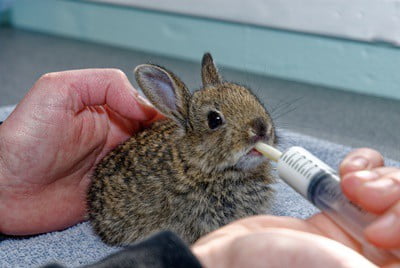
How to raise a wild bunny. Raise it about an inch off the floor and encourage the bunny to lap the formula by placing a drop or two onto your fingers. Never leave the dish out as the bunny could drown. Whichever way you choose to feed be careful to go at the rabbits pace as feeding it too quickly can lead to suffocation.
Stimulate Urination and Defecation. For Newborn rabbits-25cc twice a day. For 1 week old- 6-7cc twice a day.
For 2-3 weeks-12-13cc twice a day. For 4-6 weeks- 15-30ml twice a day. You can also add a probiotic to the formula but check with your local pet store for kinds and dosages.
Many rabbits can learn to use a litter box. Raising rabbits that are litter trained can allow them to have more freedom. Owners that raise rabbits indoors often litter train them and allow them to roam the house.
Dont worry about them making a mess. Once they are trained they will return to their litter box. Dont Leave Rabbits Unattended At Night.
Hines Techniques For Raising Orphaned Wild Cottontail Rabbits. The rabbit is uninjured. I know what youre thinking.
This cute helpless baby rabbit is spooked confused and homeless. I know Ill raise it myself. Whatever you do DO NOT TAKE THEM INSIDE.
Any care you think youre giving could and probably will kill the rabbit. In fact it is illegal to take in a young wild rabbit in most states. Though their eyes will remain closed their ears are beginning to come away from their bodies but dont yet allow them to hear.
At between 2 and 3 inches long they are still completely dependent on their mothers milk to survive. At around 7 days the ear canal will open allowing the baby rabbit to begin to hear. Start leaving a trail of rabbit preferred tasty treats thinks carrot chunks or apple slices beginning where the rabbit usually appears.
Have the trail lead to where you are on the ground. Begin talking to the rabbit whenever it comes close to you. Amost all will die from stress.
Very very few people could ever raise a wild rabbit. SO BUY SOME TAME RABBITS. Cottontail rabbits are really hairs not rabbits also.
For WILD rabbits use Regular Goats Milk found in the carton at your grocery or KMR NOT Esbilac. Provide a soft nest area in a box with clean towels and cover the babies so it is dark. Do not provide extra heat if the room temperature is at least 65 to 70o F because excessive heat can be fatal.
Surprisingly raising wild rabbits is about the same as raising domestic ones. Keep them in the house until they are about 4 weeks old so they will be warm enough. Put them in a 2 sq ft cardboard box that has very high sides.
Put some hay in it that they can either hide under or lay on top of. Domestic eyes open at about 10 days of age. Start introducing them to timothy and oat hay pellets and water always add fresh greens for wild ones.
13-15 ccml each feeding two feedingsagain may be LESS depending on size of rabbit. A cottontailbrush bunny will take so much less. Half this at most.
Move the wild baby rabbit in the nest Gently move the wild baby rabbit in the nest prepare for him. You may have to use gloves to avoid any kind of infection from wounds of the baby rabbit as a precaution. Try to handle the baby rabbit as little as you can.
If your feeding a wild rabbit try to give only foods that it would likely to find in its natural habitat. A good idea is to going outside to where you found it and doing some foraging yourself. Unusual non native veggies and fruits eg.
Mangos or a banana are more likely. Some people raise rabbits for their fur. Most rabbit farmers also use rabbit meat.
Raising rabbits for the pelts only and throwing away the meat is wasteful. You can help wild rabbits have food resources by planting shrubs and greenery that will live through the winter. This will make more resources available while also working with a wild rabbits natural foraging instincts.
You can also grow plants year round to give wild rabbits more nutritious options.
Previous post
How to save wild baby bunniesNext post
How to raise a wild baby bunny