
25
Dec
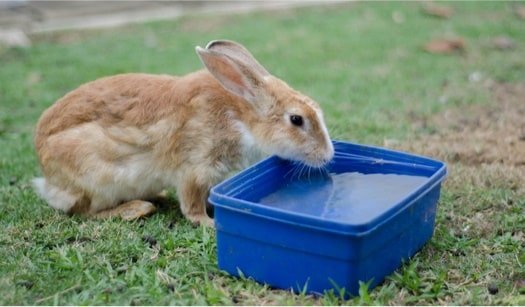
Once the temperature rises above 28ºC it is necessary to regularly monitor your rabbits. Without water rabbits become seriously ill.
How long can a bunny go without eating hay. He will often eat the salad then go to the hay in between. Regardless the entire thing is eaten within a 68 hour period. As long as your rabbit eats and drinks or gets enough moisture from the food as mine seem to and the droppings are regular and consistent with the size of the rabbit - and neither too hard or soft I wouldnt worry.
Domestic eyes open at about 10 days of age. Start introducing them to timothy and oat hay pellets and water always add fresh greens for wild ones. 13-15 ccml each feeding two feedingsagain may be LESS depending on size of rabbit.
A cottontailbrush bunny will take so much less. Half this at most. Young rabbits under approximately 7-8 months old should be fed alfalfa pellets and alfalfa hay free-choice.
They need the extra protein and calcium as they grow. They too can have a variety of vegetables. At approximately 7 months they must be weaned onto an adult diet as described above since their growth slows down.
While brown hay doesnt necessarily mean your rabbits hay is bad the dried up stuff doesnt have as many nutrients. But if the hay has a funky smell to it or you can see visible signs of age or mold dont feed it to your bunny. Signs of bad hay.
A bad smell. Brown and brittle. Its best though to taper off at the one-year mark.
At this time you can introduce other hay and incorporate more fruits and veggies into the diet. And it can also be used as a treat hay for older rabbits to spark some interest in their regular diet. Rabbits get the zoomies for oat.
Many local feed stores sell hay by the bale or half-bale for much less than pet store prices. Just familiarize yourself with what type of hay see options in header bar is appropriate for your rabbit based on age. A full bale of hay lasts 2 rabbits about one year.
In my area one bale of timothy costs about 24 bermuda costs about 18 – a small price for a full year. Feeding rabbits is a hot topic among enthusiasts but the one thing most rabbit-rearing folks agree on is that the loppers should have ad-lib access to hay. Some say Timothy hay is best others say plain old mixed-grass hay is the only way to go and still others say to mix in a little alfalfa or other leguminous hay to boot.
Most rabbits stop growing between 1824 months of age and a healthy rabbit can live for 912 years. While giant breeds will not usually live to eight years a healthy standard or dwarf rabbit will live to a full life span provided it is cared for properly. Rabbits need hay a good high fiber pellet free of nutsseedsdyed bits fresh vegetables and clean water.
If your rabbit is allowed to go without food for too long a serious condition called enteritis can occur. This is a shutdown of the intestinal tract caused by lack of food to digest. Your rabbit should have a generous amount of hay.
Fecal pellets should return to normal within a day or two once your bunny has regained normal eating habits. If you continue to see mucus in the fecal matter beyond a day or two or if fecal production stops consult your veterinarian immediately. If your rabbit hasnt eaten anything within 24 hours of surgery contact your veterinarian.
States the body can survive for 8 to 21 days without food and water and up to two months if theres access to an adequate water intake. Modern-day hunger strikes have provided insight into. Heat stress in rabbits.
Rabbits can suffer from heat stress. Once the temperature rises above 28ºC it is necessary to regularly monitor your rabbits. It is important not to place the hutch in direct sunlight during the warmer months.
Keep it in the shade even on warm to cool days. It does not take long for heat to build up in small areas. Ensure water doesnt freeze in winter.
Without water rabbits become seriously ill. Good quality hay andor grass always available should constitute the majority of rabbits diets. - Rabbits graze naturally eating grassother plants for long periods mainly at dawn and dusk.
Their home base area needs to be at least 10 ft x 6 ft x 3ft 3m x 2m x 1m for a pair of bunnies though this is a. They may graze for up to 6-8 hours a day. Their whole digestive tract from their teeth right down to the end of their gastrointestinal tract is adapted to this diet and eating pattern.
Providing grass or grass hay to pet rabbits is critical to maintain health. When rabbits eat less the motility of the GI tract slows the food within the GI tract sits longer than normal in the stomach and cecum and the rabbits body extracts more water from the GI tract to make up for less fluid intake leaving a mass of dried food. Smaller breed female rabbits are ready to reproduce at 5 months while medium-sized does should be bred for the first time when they are 6 months old.
Large female rabbits are ready at 8 months. Female rabbits dont go into heat but release eggs within 13 hours after mating. Some rabbits get GI upset when they are eating too much carbohydrate and not enough fiber.
Supportive care treatment either in or out of the hospital will be prescribed for a rabbit with GI stasis. Prevent GI stasis by feeding your rabbit a high-fiber hay-based diet with supplemental vegetables a small amount of pellets and fruit.
Previous post
How long can a bunny go without foodNext post
How long can a bunny go without eating