26
Jan
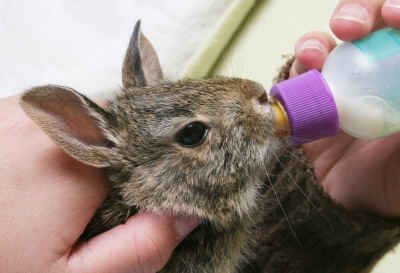
A domestic rabbit feeds her babies for about 8 weeks gradually decreasing the frequency of feedings until they lose interest. They may remain in the nest area.
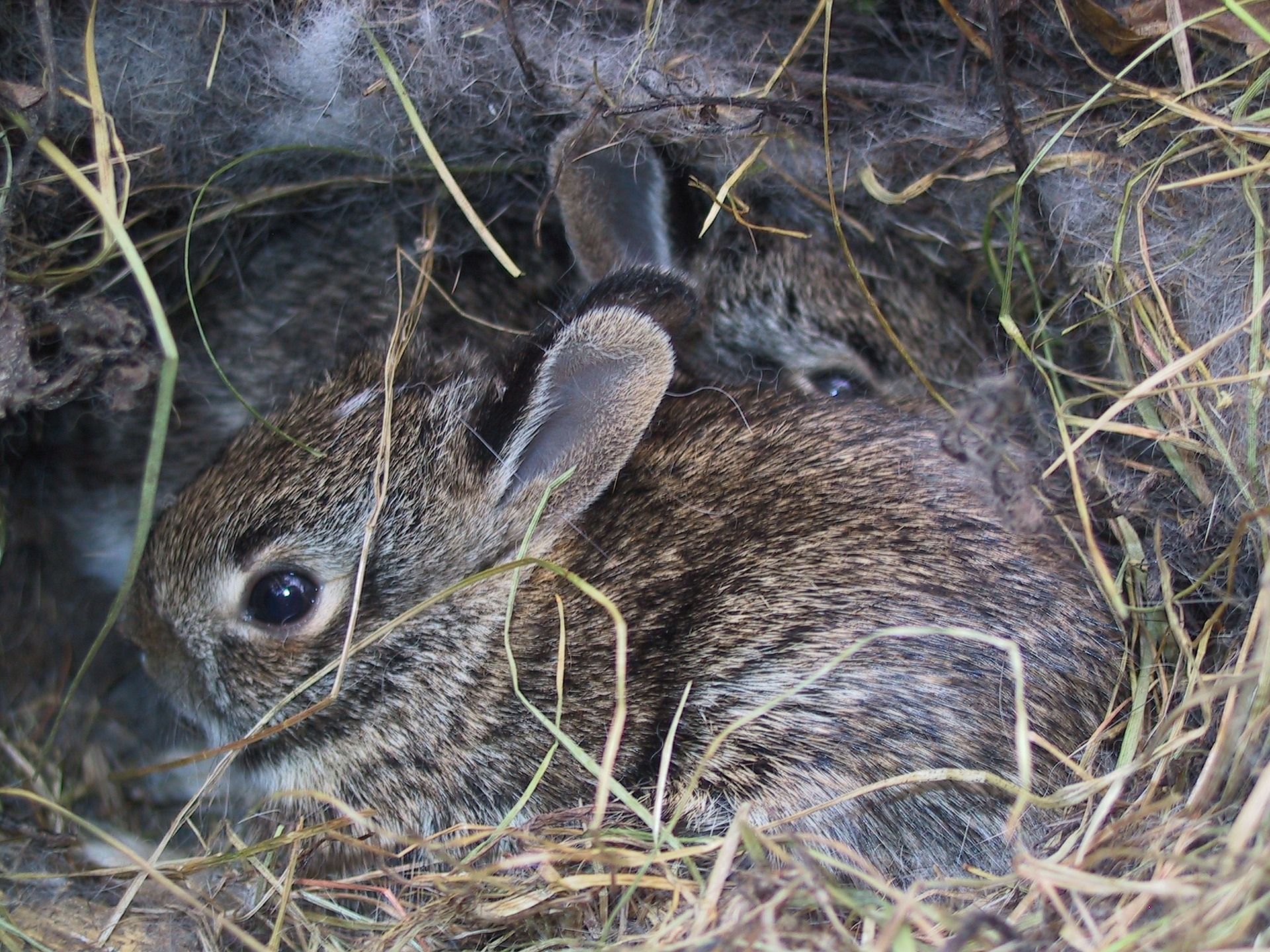
How long can a baby bunny live without food. Roughly 3 to 4 days. However rabbits are grazers that need to eat constantly. If they stop eating for even 12 hours they can risk going into GI stasis a medical emergency.
The babies are nursed about twice a day for the first two weeks usually once in the morning and once in the evening. Baby cottontails leave the nest at 2 to 3 weeks and learn to nibble tender grass shoots. They leave the nest for good when they are about 3 to 4 weeks old.
They may remain in the nest area. A domestic rabbit feeds her babies for about 8 weeks gradually decreasing the frequency of feedings until they lose interest. Your baby bunnies will start to nibble on pellets and solid food at about the age of two to three weeks but this does NOT mean they are ready to be weaned.
Since House Rabbit Society rescuers have taken in many pregnant rabbits who live inside our homes with us instead of outdoors in hutches we are able to observe get close to and participate in the activities of raising a litter. If you are ever confronted with questions on baby bunny care-domestic not wild rabbits-here are a few guidelines. The reality is fewer than 10 of orphaned rabbits survive a week and the care that people attempt to provide can be illegal unnecessary and potentially harmful.
The best thing you can do is put the bunny right back where you found him in the general area as the mom will only come back at night to call and find him. Most domestic rabbits can easily live to be 8 years old and many can live for up to 12 years. Unlike wild rabbits who face constant stress and predators domestic rabbits have regular access to food and safe places to hide.
Rabbit breeds and lifespan. There are many breeds of rabbits. Just like with dogs each has a different lifespan.
Baby rabbits may begin eating solid foods when their eyes open at about 10 days after birth. You can slowly add solid foods to their formula diet until they are weaned at about 6 weeks old. They have enough to survive for the 24 to 48 hours without much in the way of feeding.
Six days seems a long time to me After six days the baby was likely to be suffering from low blood sugar and at risk of getting cold. Its possible its surprising. Domesticated rabbits can live between eight to 12 years.
Rabbits require the right diet suitable housing and companionship to keep them happy throughout their lives. Keeping your rabbits vaccinations up to date will help prevent illness and disease. Rabbits just like other domesticated animals have an average lifespan which can help an.
Ron and Cookie have a strong relationship which might remind you that bunnies can have pretty charming personalities. Rabbits live up to an. The entire cycle can last as short as a few weeks or as long as months depending on the environmental conditions.
PetMD states the ideal conditions for flea propagation are temperatures ranging between 70 and 85 degrees Fahrenheit and 70 percent humidity. An adult flea can live up to two weeks without. Young rabbits under approximately 7-8 months old should be fed alfalfa pellets and alfalfa hay free-choice.
They need the extra protein and calcium as they grow. They too can have a variety of vegetables. At approximately 7 months they must be weaned onto an adult diet as described above since their growth slows down.
They start eating what their mother eats at around three weeks and can leave their mother at eight weeks. Most male rabbits bucks become sexually mature at around four months. This is a good age to have your male neutered.
Females does can die from being spayed as it is a major operation. Remember to get something without a lid and make sure it is at least twice as long as your bunny. Put it in your rabbits main home area ideally in the location they already toilet in.
Use the right litter. Some types of litter can be harmful to bunnies so avoid ones that are scented clay-based or clumping.
Previous post
How long can a baby bunny live without its mom