
11
Sep
They will find shelter under a shed or in a hollow log-any place that can help keep them warm. After snow falls however they often cant access the.
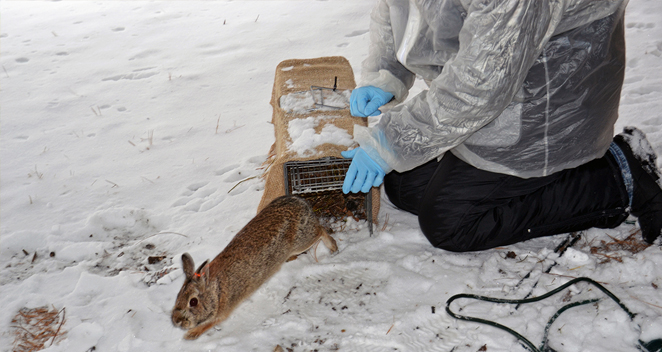
How do wild bunnies survive winter. How do Wild Rabbits Stay Warm in the Winter. Wild rabbits also tend to live in groups. This means that there is another bunny on-hand to share the.
This protects them from the rain wind and other harsh atmospheric conditions. Wild rabbits generally do not hibernate in the winter but they do seek refuge from the cold weather. Rabbits will search for closed-in spaces such as caves tree cavities hollow rocks logs and brush piles.
If they can not find a natural place of shelter these small creatures will make their own by digging holes or tunnels underground. Through cecotrophy rabbits can safely survive harsh winters while only eating twigs tree bark and bush buds. The byproduct of cecotrophy is known as cecotrope.
During the cecotrophy digestion process food travels through the gastrointestinal tract which consists of the mouth esophagus liver stomach gall bladder pancreas small intestines large intestines rectum and anus. How Do Rabbits Adapt to Cold Weather. Switch to a coarser wood-based diet.
This helps them to survive when food is scarce. Increased ingestion of feces. Continue to seek food sources.
Grow a thicker coat. Create burrows or seek out hiding places. While some animals will turn to hibernation to survive the winter time rabbits do not need to.
This means that by limiting their travels and finding as many food sources as they can they will attempt to store as much energy as possible for staying warm and surviving the winter. Sadly wild rabbits do not have a high survival rate. Wild rabbits survive the winter by creating burrows in the ground or using thick shrubberies to protect themselves from the cold temperatures.
Some rabbits create their own burrows while others will utilize abandoned burrows created by other rabbits or small creatures. To survive in winter wild rabbits usually dig burrows in the ground or use thick shrubs to build nests. Those that cannot dig their own burrows often look for abandoned burrows which they turn their homes during winter.
These burrows are essential in keeping them warm and protecting them from harsh winter elements and predators. Most rabbits live in a 5-acre area their entire lives. The eastern cottontail rabbit doesnt dig its own burrows like some other rabbit species do so they will either find an empty burrow from another animal to crawl into or they will look for woody vegetation to huddle under during cold weather.
Most Wild rabbits live for less than one year. Rabbits can live almost anywhere they are able to dig burrows. Their natural habitats include woods meadows forests farmland grassland moorlands salt marshes embankments sand dunes and cliffs.
Empty cliff burrows are often taken over by nesting puffins and shearwaters. At between 2 and 3 inches long they are still completely dependent on their mothers milk to survive. At around 7 days the ear canal will open allowing the baby rabbit to begin to hear.
Though their fur is mostly still pressed firmly against their bodies they are developing enough of a coat to begin to keep themselves warm. During the winter wild rabbits forage for greenery they can find such as grass flowers leaves. Once the weather gets cold they eat tree bark twigs branches and pine needles.
They also eat their cecotropes partially digested food thats extremely nutritious. You can feed a wild rabbit if he comes into your yard. Rabbits thrive in cold temperatures.
They cease shedding during the fall and grow thick fur that keeps them warm in the winter. Theyre comfortable in temperatures as low as 32 degrees Fahrenheit. Moving a rabbit indoors during the winter is riskier than leaving them outside.
Wild rabbits eat grasses weeds and non-poisonous plants including tree saplings flowers and berries. In winter when vegetation is more difficult to find they will also eat bark twigs and evergreens. Wild rabbits dont hibernate like other small mammals.
They live in the same area all year round but during the colder months they forage for food. They will find shelter under a shed or in a hollow log-any place that can help keep them warm. Their fur thickens which helps keep them cozy all winter long.
Much to the chagrin of our hard-working grounds staff cottontail rabbits often resort to eating bark from shrubs young trees and other woody perennial plants in order to survive. Rabbits dont hibernate in the winter which means they actively seek food sources all season long. Unlike most winter invaders rabbits are mostly content outside.
Rabbits primarily feed on grass and other ground level plants. After snow falls however they often cant access the. In the winter when plant life is scarce wild rabbits need to be a lot more creative in order to survive.
The rabbits need to compete for limited resources such as bark twigs and evergreen needles from trees and shrubbery that live through the winter. In such a case you should not worry because mother rabbits do this instinctively to protect them because their presence might attract the predators into the nest. Due to instinct the baby rabbits tend to burrow themselves into the nest so that they wont be easily seen and of course to keep themselves warm.
Previous post
How do you keep a wild baby bunny aliveNext post
How do wild bunnies survive the cold