
10
Apr
Wild rabbits tend to make holes in the grounds they prefer the open leafy ground. But they would go back there when they get sleepy.
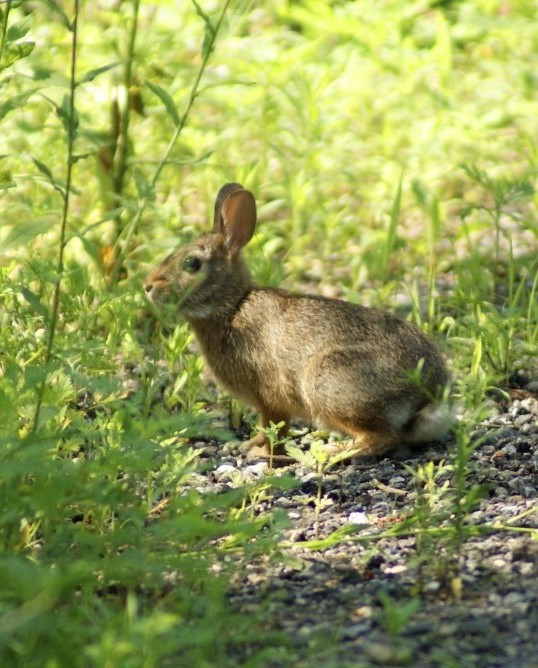
How do wild baby bunnies survive. The best chance for survival of a wild baby rabbit is to leave it in its nest where the mother will return to take care of it. If you find a wild baby rabbit let him be and do not attempt to rescue him. Mother cottontails feed their babies only once or twice a day and then stay as far away from the nest as possible so as to avoid attracting predators.
How to Help A Wild Baby Rabbit Survive Build A Nest. If you know the mother is still caring for her babies leave the nest alone. If you disturb a nest and.
Maintain the Right Temperature. A baby rabbits body temperature is higher than ours. Bunnies need to feel warm to.
Feed the Wild Rabbits. Gather the wild baby rabbit in his blanket and feed him on his back just as you would a human baby. Put the dropper to the baby rabbits mouth and allow him to suck the KMR at his own pace.
Most baby rabbits will appreciate feedings twice a day. Once in the early morning and again late at night just like in the wild. Wild baby rabbits dont do well in captivity.
Not only do their natural survival instincts prevent them from being a suitable pet but they spread dangerous diseases. Most bunnies become stressed and depressed living in small hutches and cages. Their diet is also not as varied when living in captivity than the wild.
The babies burrow to the bottom of the nest where they remain hidden until Mamma Rabbit wakes them up at mealtime. Only rarely does a mother rabbit nurse her young right after giving birth. Most often the first nursing will occur the night after the kindling.
The rabbits rich milk sustains the babies. They rely on their mothers milk to survive and will still have their eyes closed. Do not handle rabbits this small unless youre absolutely sure their mother has abandoned them more on this later.
After about 3 days wild rabbits will begin to develop a more natural color of fur that will stick out slightly from their bodies. They do however mix happily with other subordinate rabbits. Rabbits are mainly nocturnal.
Much of the day is spent underground resting and passing soft dark droppings which are eaten to extract more nourishment from them. The rabbits then produce hard pellet-like droppings above ground. This keeps living areas free of droppings.
Usually only coming out of their burrows at dawn and dusk wild rabbits can. A mother rabbit will not reject a baby if it has human scent on it. This is the rabbits best chance for survival.
However if the baby has been attacked by a cat any wound contaminated by a claw or tooth will KILL the baby within a few days. It needs to be taken to a wildlife rehabilitator or a veterinarian and given a rabbit-safe antibiotic. Fewer than 10 of orphaned rabbits survive a week or less without proper care from professionals.
Baby cottontails are born without fur but develop a full coat within a week. Baby rabbits eyes typically open in about 6-10 days. It is a myth that the mother will not return and will reject their young if a foreign scent is on them.
Rabbit mating season usually runs from March through September so nows the time when people stumble upon nests of baby bunnies. But often those who find nests arent sure what to do. We get these calls quite a bit says Gary Comer a wildlife management supervisor at the Ohio Department of Natural Resources Division of Wildlife.
For WILD rabbits use Regular Goats Milk found in the carton at your grocery or KMR NOT Esbilac. Provide a soft nest area in a box with clean towels and cover the babies so it is dark. Do not provide extra heat if the room temperature is at least 65 to 70o F because excessive heat can be fatal.
In summary baby rabbits are too fragile to survive in the absence of their mother while in the wild. Young adolescents and older rabbits can survive and thrive in the wild without the help of their moms or any human rescue team. Wild rabbits tend to make holes in the grounds they prefer the open leafy ground.
The mother rabbit digs a shallow hole for the nest. She then buries the hole with some leaves sticks or grass. She then puts her furs atop to keep the little ones warm.
In the wild baby rabbits tend to open their eyes in about six up to 10 days. Then they are weaned in about three weeks. During this time they might start exploring the world outside their nest.
But they would go back there when they get sleepy. Young rabbits disperse from the nest at 15-20 days old. By three weeks of age they are on their own in the wild though are still very small – theyre only about the size of a softball.
Rabbits have the best chance of survival when they are cared for by their mothers. If you find a baby rabbit. A domestic rabbit will not be able to survive if they are let free outside.
They are unable to fend for themselves and will shortly die either from a predator weather conditions or consuming poisonous plants that a wild rabbit would instinctively stay away from. The diet of the two varies also. Very young wild baby bunnies with eyes closed and ears back rarely survive in captivity even given the most expert human care.
And so it is very important to determine whether they really need help. Try to assess whether the infants seem warm and healthy or cold thin and dehydrated.
Previous post
How do wild bunnies have babiesNext post
How do u tell if your bunny is pregnant