17
Mar
During the winter rabbits might not be as active or their appetites might even drop off but these are just amongst a few of the changes that rabbits can go through during the winter. But most of the rabbits are not fortunate enough to get available food during the harsh winter.
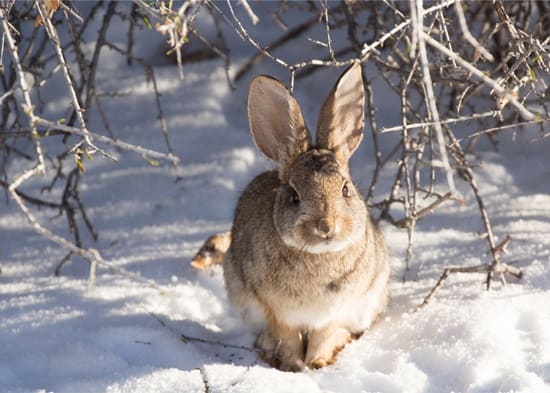
How do bunnies survive the winter. During the winter months when most of the vegetation is covered with snow and ice rabbits can not access these food sources and must change their diet. When it is cold rabbits will eat tree bark tree needles twigs and other wood sources to survive. During the winter rabbits might not be as active or their appetites might even drop off but these are just amongst a few of the changes that rabbits can go through during the winter.
If you see a pet rabbit or have a rabbit in your backyard acting in this matter there is no cause for alarm. This is just natural behavior during the winter months. Some studies have found that about 30 percent of rabbits will survive winter.
That may seem low but cottontail rabbits breed February-September to make up for these low survival rates. A female rabbit — called a doe — can produce up to 6 litters per year with 1-8 babies per litter. Want to learn more about cottontail rabbits.
Wild rabbits also tend to live in groups. This means that there is another bunny on-hand to share the body heat to keep them warm in winter. This coupled them to grow thick winter furs which helps them to keep them warm in the winter.
Rabbits grow thick furs during winter to survive. Rabbits thrive in cold temperatures. They cease shedding during the fall and grow thick fur that keeps them warm in the winter.
Theyre comfortable in temperatures as low as 32 degrees Fahrenheit. Moving a rabbit indoors during the winter is riskier than leaving them outside. During the winter much of the foliage they snack on during the warmer months is either gone or covered in snow.
So what do they eat. Much to the chagrin of our hard-working grounds staff cottontail rabbits often resort to eating bark from shrubs young trees and other woody perennial plants in order to survive. As long as a rabbit has enough food to build a layer of insulating fat in its body it can survive in the cold.
In the winter rabbits also grow a thick coat of fur that helps keep them warm. This shows that a wild rabbits chances of survival are largely dependent on. Although it may seem like rabbits disappear during winter they actually dont.
To survive in winter wild rabbits usually dig burrows in the ground or use thick shrubs to build nests. Those that cannot dig their own burrows often look for abandoned burrows which. While some animals will turn to hibernation to survive the winter time rabbits do not need to.
This means that by limiting their travels and finding as many food sources as they can they will attempt to store as much energy as possible for staying warm and surviving the winter. Sadly wild rabbits do not have a high survival rate. Wild rabbits survive the winter by creating burrows in the ground or using thick shrubberies to protect themselves from the cold temperatures.
Some rabbits create their own burrows while others will utilize abandoned burrows created by other rabbits or small creatures. The biggest concern for rabbits in cold weather is keeping their water liquid. Most people choose to carry out warm water twice a day to their rabbits.
Crocks stay unfrozen longer than water bottles because the spout on the water bottle freezes quickly. Also the rabbits can lick the ice in the crock if. A rabbit hutch is a structure that provides shelter for domesticated rabbits.
It protects rabbits from adverse weather conditions like the winter cold and summer heat. Furthermore rabbit hutches keep predators at bay. Rabbits are known for their low body-temperature tolerance.
They have the capability of surviving in below zero degrees. But unfortunately most of the rabbits can not survive in the winter because of the scarcity of food. Rabbits eat grass and surface-level plants during the snow season.
But most of the rabbits are not fortunate enough to get available food during the harsh winter. Jeff the Nature Guy explains how wild rabbits are adapted to stay warm as the cold winter weather sets in. Rabbits do not hibernate at anytime of the year in the United States.
During the winter rabbits survive by limiting their activity thus reducing calories expended. Limited food sources like tree bark twigs wood boring insects and any dried grass they can find provides calories to survive. It has been estimated by researchers that only roughly 30 of wild rabbits will survive the winter.
2 These scientific studies were also backed up by a study done at the Lincoln Park Zoo which showed the same with their own wild bunnies.
Previous post
How do u tame a bunny in minecraftNext post
How do bunnies survive in the wild