06
Jun
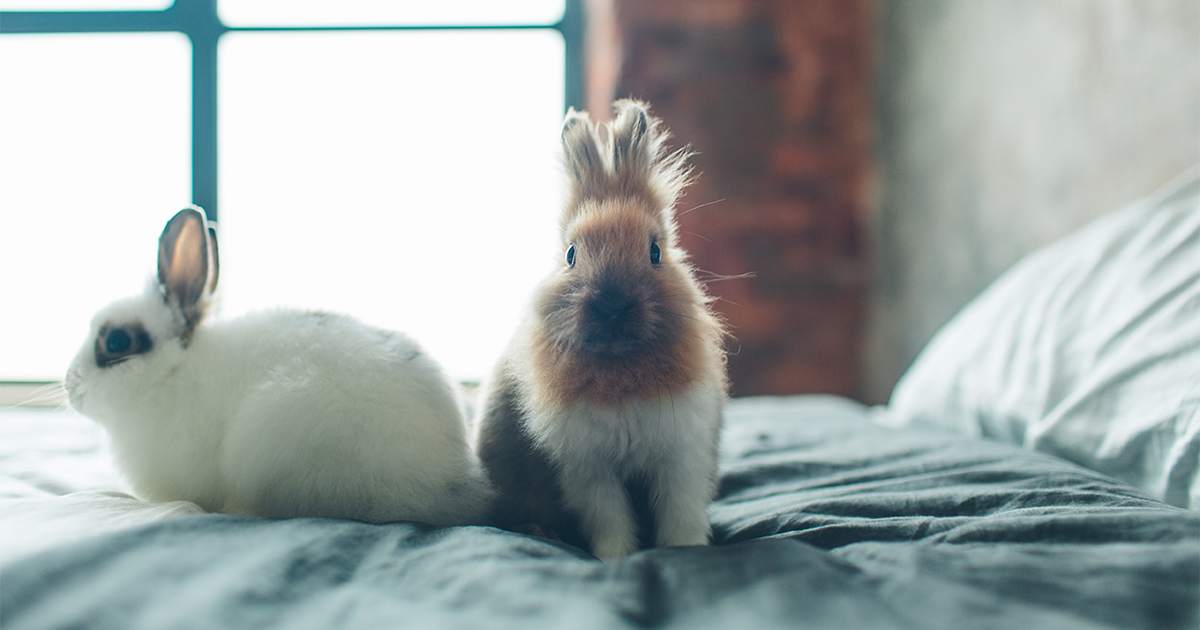
More and more rabbits are being kept as house pets and why not - cats and dogs live indoors too. It all goes down to having the right environment for your bunny to thrive in.
Do bunnies live inside. More and more rabbits are being kept as house pets and why not - cats and dogs live indoors too. Having your pet rabbits in the house makes it easier to interact with them and makes them more sociable as well as easier for you to keep an eye on them for any changes in their health or behaviour. Domestic rabbits were originally wild animals not designed to live around radiators electricity and the likes.
But this is not to say they cannot live happily in these environments. Take cats and dogs for example these are two animals which can live inside outside or a mixture of both. Rabbits are actually great indoor pets for anyone who lives in an apartment or area with close-knit housing because they are very quiet pets.
They can make sounds but those noises are mostly very quiet and gentle. You wont have to worry about bothering your neighbors. Our rabbits can happily live indoors or outdoors but as the weather gets cooler you might have a few questions about moving your furry friends inside to escape the elements.
We might see rabbits as traditionally outdoors pets but just like any other pet they feel the cold and can suffer in bad weather if they dont have the right home to live in. Their outdoor run should be placed somewhere shady and protected from wind and changes in the weather. Indoor rabbits are less used to the weather than rabbits kept outdoors so keep a close eye on them in case they get distressed over changes.
In extreme weather conditions keep your bunnies safe inside. Keeping Rabbits Indoors Final Thoughts. Ultimately its entirely up to you as to whether you want to keep your rabbit indoors or not.
Rabbits can live a happy life both indoors and outdoors. It all goes down to having the right environment for your bunny to thrive in. This article has hopefully helped you realize the considerations you should make.
Let us begin this section with a fact rabbits are animals and they are not meant to naturally live indoors. BUT they are a prey species and can be safer indoors in many and most cases. This is why keeping a rabbit inside is the first option for most people.
Bunny-proofing Bunny-proofing your home is part of living with a house rabbit. It is natural for rabbits to chew on furniture rugs drapes and most deadly of all electrical cords. Cords must be concealed so that the rabbit cannot reach them.
Rabbits while able to live indoors or outdoors need large areas such as a bedroom to call their own as well as toys things to chew on and items to play on. Rabbits that dont get the proper space and enrichment arent usually as healthy as those that do and therefore may not have as long of a lifespan as they should. Life span is one area where there are obvious differences.
When they are cared for properly a domesticated rabbit who lives indoors will live between 8-12 years. If they live outside domesticated rabbits live only half that. Wild rabbits have an average life span of two years.
Rabbits can live indoors or outdoors. Where you decide to house your pet depends on the amount of space that you have available your lifestyle choices and your rabbits temperament. If predators visit your yard or your state is prone to extreme hot or cold weather indoors is safer.
Of course the biggest reason to keep your rabbit indoors is so he can be part of your family. Rabbits are just as intelligent and emotionally aware as dogs or cats and they need to interact with you and become part of your home. Size The size of a rabbit plays an important role in determining a bunnys lifespan.
Specifically smaller rabbits are known to live longer than larger rabbits. This means that if your rabbit is dwarf you can expect it to live for more years than a large pet bunny. Living Environment Whether or not your rabbit lives indoors or outdoors.
My bunnies have the best of both they have the free run of the house their own secure indoor area indoors away from the the cats if we are not around but they have their own cat flap into a large rabbit garden area safe from any other animals. Rabbits kept as pets typically inside the home either in a cage roaming free or a combination of both. A rabbit cage should be at least five times the size of the rabbit so it can stretch out and stand without bumping its head.
Your rabbit will likely spend the bulk of the day in its cage since rabbits sleep during the day. Although housing a rabbit indoors presents its own set of challenges to keep a rabbit safe it is a much safer alternative than keeping a rabbit outside Rabbit provided Bunnies that get a healthy and balanced diet live longer as compared to those getting poor nutrition. Well cared-for indoor rabbits can live 7-10 years and some live into their teens.
This is approximately the same life span as some breeds of dogs and requires the same long-term commitment. Rabbits do not need veterinary care the way dogs and cats do. Most domestic rabbits can easily live to be 8 years old and many can live for up to 12 years.
Unlike wild rabbits who face constant stress and predators domestic rabbits have regular access to.
Previous post
Do bunnies live inside or outsideNext post
Do bunnies live in the wild