11
Jun
Keep them in the house until they are about 4 weeks old so they will be warm enough. Mother rabbits have no issue in accepting wild baby rabbits even from humans.

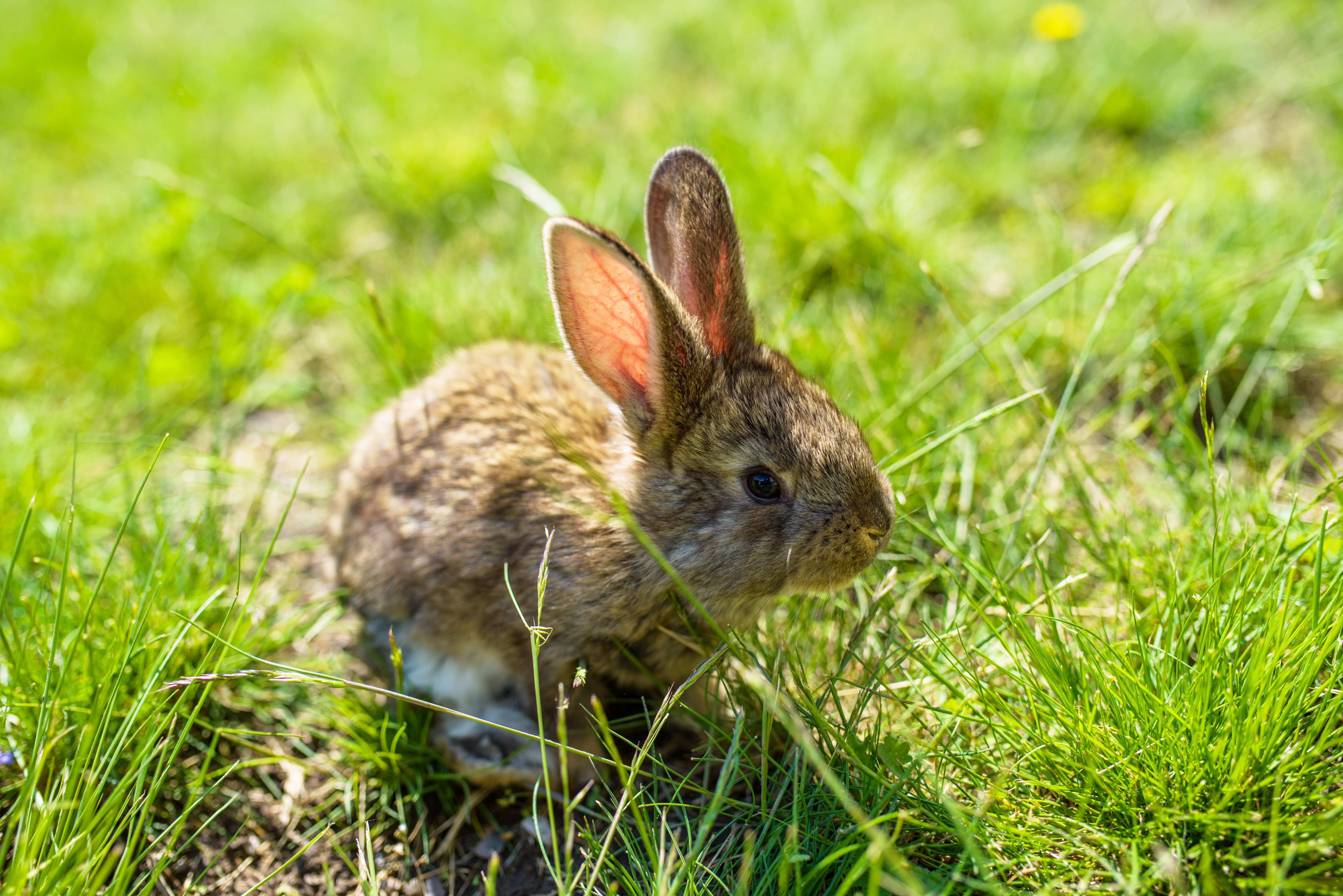
Can u raise a wild bunny. Youll find it funny but the answer to this question is both yes and no. Yes you can raise a wild rabbit in captivity if you have a big enough area. The wild rabbit needs to feel like its in a natural habitat.
On the other side you can not raise a wild rabbit in your typical rabbit cage or box. The answer is YES. You can raise a wild rabbit.
But like we have discussed it is not a very easy task. Right from the process of catching one right to the point of bringing it into your home you will soon find out that it is not a very easy task. The answer is probably not.
You can generally raise an animal from a baby to not fear humans. But domesticated animals including rabbits have been specially bred to reduce the factors that make wild animals dangerous. Of course domesticating a wild rabbit is possible and you can look to bring one into your home successfully with some thought consideration care and best practices.
Youll also want to get them looked over by a vet as soon as you can. Either way keeping a wild rabbit as a pet is generally not recommended. To keep a wild baby rabbit alive you must determine whether the mother is around.
Mother rabbits only return to the nest twice a day to feed their kits. If they are orphaned you will need to provide a nest maintain the right temperature and provide a healthy diet. One and a half months into their lives wild rabbits are considered fully adult.
It may take them another 4 to 6 weeks to fill out into their usual 2-3 pound weights as they grow to be anywhere between 12 and 20 inches long. After the age of 8 weeks they are fully sexually mature and will often begin to reproduce. You should know that wild rabbits do not usually become tame even with lots of training.
In addition most states have a law against keeping wild animals as pets unless you are with a wildlife rehabilitation center. You can help wild rabbits have food resources by planting shrubs and greenery that will live through the winter. This will make more resources available while also working with a wild rabbits natural foraging instincts.
You can also grow plants year round to give wild rabbits more nutritious options. As for a wild rabbit in captivity it will happily eat exactly what domesticated rabbits are given hay veggies pellets and fresh water however as with any wild animal the intention should always be to release it at the earliest opportunity and allowing it to get too accustomed to domestic life is a bad idea. Wild rabbits can reach speeds of up to 30-35 miles per hour 50-55 kmh when running.
Predatory birds such as eagles hawks falcons owls and other large birds hunt wild rabbits. Especially the smaller rabbits become prey for such birds. Predatory birds can detect wild rabbits from the air and strangle them using their powerful claws.
You can take care of a wild baby rabbit at your home. Pick the wild baby rabbit and place it at a comfortable location feed the baby rabbit let him rest for 2-3 days and then bring him out of the cage. Mother rabbits have no issue in accepting wild baby rabbits even from humans.
If you do not have access to rabbit fur line the nest with a thick layer of tissues or soft cloths. Place one end of the box on top of a hot pad heated bed or an incubator to keep it warm. Place only one side of the box on the heat so that the babies can move if they feel too warm.
Surprisingly raising wild rabbits is about the same as raising domestic ones. Keep them in the house until they are about 4 weeks old so they will be warm enough. Put them in a 2 sq ft cardboard box that has very high sides.
Put some hay in it that they can either hide under or lay on top of. I wouldnt think keeping wild rabbits in cages would be very fair to them and you are making a lot of addition work for yourself. As suggested simply process the meat immediately for storage.
Rabbit can be very very tough if not cooked properly. Properly in this case means over a low heat for 3 hours. The best way to make friends with a wild rabbit is to giving him some food.
You can give them a slice of fruit or green leafy veggies. However keep the quantities small and do not offer citrus fruits such as lemons or pineapples. In the beginning leave a trail of food that your wild rabbit will follow.
This way the rabbit can decide how much. If wild rabbits roam in your area the two rabbits will meet up. Local wild rabbits can gain access to your yard.
This may be done by hopping over or digging under a fence. If your rabbit is exercising the two rabbits may cross paths. As soon as the wild bunnies eyes are open you may introduce them to plain alfalfa pellets hay such as oat hay timothy alfalfa and veggies such as carrot tops Italian parsley dandelion greens.
Dandelion greens and hay timothy and oat hay are extremely important for wild rabbits. It is illegal to remove them from the wild. Amost all will die from stress.
Very very few people could ever raise a wild rabbit. SO BUY SOME TAME RABBITS. Cottontail rabbits are really hairs not rabbits also.
Previous post
Can wild baby bunnies be domesticatedNext post
Can u raise a wild baby bunny