06
May
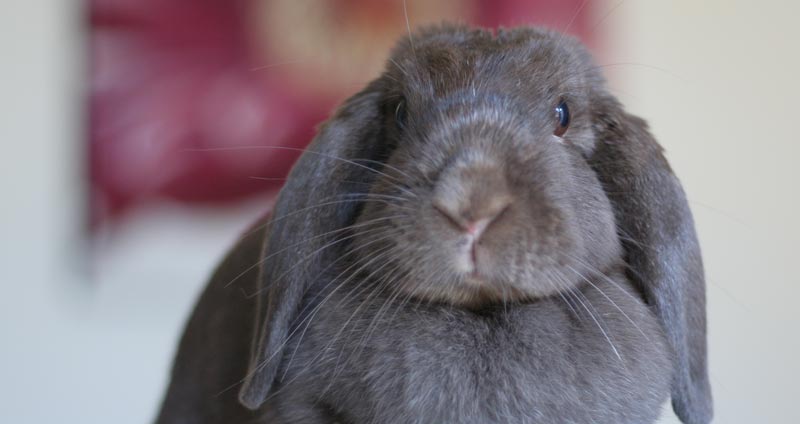
Lop-eared rabbits have a slightly different skull structure than their uppity-eared counterparts. The way lop ears droop down the sides of a rabbits head causes the cartilage at the base of the ear to be slightly deformed.
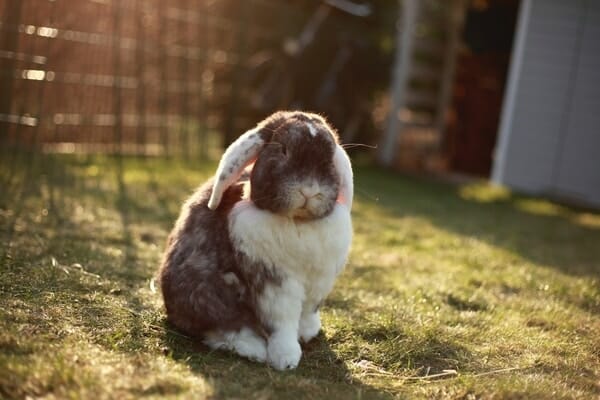
Can lop eared bunnies live outside. Pet rabbits can live outside only if you take all the precautions to keep your rabbits safe. Get ways to keep rabbits away from predators as well as extreme weather conditions. Similarly interact with your rabbits often which will prevent your pet rabbits from getting bored.
Lop-eared rabbits are very popular with house rabbit owners but sometimes their characteristic ears also need a little extra attention. Make sure your lops ears are clean on both the inside and the outside since these ears can be prone to a build-up of debris. If keeping your rabbit outside you must be mindful of these dangers.
Predators pet bunnies arent as good at protecting themselves from predators as their wild ancestors. Rabbits are prey animals and are in danger of being attacked by cats dogs racoons hawks or foxes. Over time rabbit hutches can give in to adverse weather conditions and begin to fall apart.
When this happens your pet rabbits survival odds reduce greatly. Therefore if you are aspiring to keep a pet rabbit you can keep it outside of your house during winter. They come in to adopt a bunny and want it to live in a hutch in the backyard.
The bottom line is this. Bunnies should not live outdoors in the world the way it is today. But Ill explain that below.
I would rather a bunny have a loving home in a SAFE outdoor environment than be put to sleep. Holland Lop rabbits are bred to withstand extreme weather conditions and environments that rabbits find themselves in all year round. For example these rabbits thrive in warm weather which makes them ideal for those who enjoy spending their summers in the back yard.
Yes just like bunnies of other colors albino rabbits can live indoors or out provided your climate is suitable. To protect their eyes and also maintain their hutch at a comfortable temperature dont put their home somewhere which receives direct sunlight all day long. The larger the rabbits ears the more they are able to release excess body heat and survive in warmer climates.
Lop-eared rabbits have a slightly different skull structure than their uppity-eared counterparts. The way lop ears droop down the sides of a rabbits head causes the cartilage at the base of the ear to be slightly deformed. If your rabbit will be living outside they should have a home that is off the ground but has a ramp down the grass where they can stretch their legs and exercise while chewing on their food.
For rabbits living entirely outside there is good news for rabbit owners. Rabbits are equipped to withstand even below freezing temperatures as long as two things are assured they are kept out of the wind and can stay dry at all times. With those two precautions these animals can thrive in very cold weather.
Being domesticated means that rabbits do not have all of the skills to survive outside. Here are a few tips on taking your house rabbit outside safely. Know the area that you are taking your rabbit.
Many areas use pesticides on grass and weedkiller in gardens both of which can harm or kill your bunny. Predators are also a concern outside. Unfortunately this sharp hearing can start to dull as your rabbit grows older and it may even become deaf.
Some rabbit breeds are also more likely to develop ear problems later in life. According to the University of London a lop-eared rabbit is more prone to ear problems due to how its skull is shaped. Because its ears automatically flop.
Lop eared rabbits make wonderful pets they live for a lot longer than many people realise especially if they are well looked after. They also need regular grooming to remove any hair they may be shedding. Rabbits like cats are good at grooming themselves and just like cats they can suffer with fur balls.
Lop-eared rabbits have the same temperature ranges as all pet rabbits40F 5C and under. Bunnies need indoor heating they cant be left outside in these temperatures40-55F 5-13C. Holland Lop lifespan is 7 and 12 years.
The average Holland Lop lifespan is 7 to 12 years. Some bunnies can live as little as five years while others can live up to 15 years. If you want yours to live longer consider neutering the bucks and spaying does.
Excessive doe breeding can shorten her lifespan. Care of Your Bunnies during the Summer First of all I have to warn you I do not recommend keeping Holland Lop Rabbits outside in Texas during the summer. I know of someone who lost 6-8 rabbits on one hot day.
If you plan to keep them outside shade is an absolute must.
Previous post
Can mini lop bunnies live outsideNext post
Can lop bunnies live outside