24
Mar
Be sure your rabbit is healthy hopping around curiously. Rabbits may need to eat more to maintain their normal body temperature Outdoor-Only Housing.

Can lop bunnies live outside. Rabbits are more comfortable during winter than in summer. YES you can keep your rabbits outside during winter. But the temperature must be not less than 50 degrees Fahrenheit.
A rabbit is fine in temperature between 4550 degrees Fahrenheit. Provide your bunny with plenty of hay. Can rabbits live outside all year around.
In fact outdoor rabbits grow a thicker coat in the winter and moult to make their coat thinner in the summer. Apart from that however keep in mind that they do not handle extreme temperatures well. There are many risks that threaten rabbits outside but if you can do a reasonable job of preventing them then your bunny can live outside just fine.
Outdoor Risks for mini lops and all pet. It can work sometimes IF done correctly. There are numerous reasons that a bunny shouldnt live outside and I could write a horror story-book of all the people I know that have lost bunnies to horrible things in their back yards.
First let me go back in time a little bit. If your rabbit will be living outside they should have a home that is off the ground but has a ramp down the grass where they can stretch their legs and exercise while chewing on their food. Can rabbits live outside during winter.
Yes but you must revamp its hutch to insulate as much heat as possible. You also need to keep changing its water with lukewarm water every two days. Rabbits can live happy and healthy lives outside as long as you take proper care of them.
Not all of the dangers that come with life outdoors are avoidable. You wont be able to protect your rabbit from loud noises in your neighborhood for example. Rabbits can easily tolerate the outside temperatures Cons of Outdoor Building Housing.
Risk of waters freezing if below freezing temperatures outside. Rabbits may need to eat more to maintain their normal body temperature Outdoor-Only Housing. For rabbits living entirely outside.
Rabbits can live indoors or outdoors. Where you decide to house your pet depends on the amount of space that you have available your lifestyle choices and your rabbits temperament. If predators visit your yard or your state is prone to extreme hot or cold weather indoors is safer.
But living outdoors satisfies a rabbits wild instincts. When the August heat subsides the bunnies get to play outside. Meet some of our Holland lop bunnies including the baby bunnies and watch them run jump.
Generally any indoor rabbit a rabbit living in captivity is bound to live longer than the outdoor since it is shielded from unpredictable weather conditions exposure to parasites pests predators and it. Sometimes well-meaning pet rabbit owners will announce that they have set a rabbit free so that it can live in the wild This person may think they are doing the right thing by letting their pet loose to live like it was meant to live The problem with this logic is that domesticated rabbits were never actually meant to live in the wild. Rabbits adapt well to outdoor living.
Like other animals with fur rabbits fur coats thicken in the cold winter and theyll lose the extra fur in the warmer summer months. Rabbits are ready to live outside after twelve weeks. Be sure your rabbit is healthy hopping around curiously.
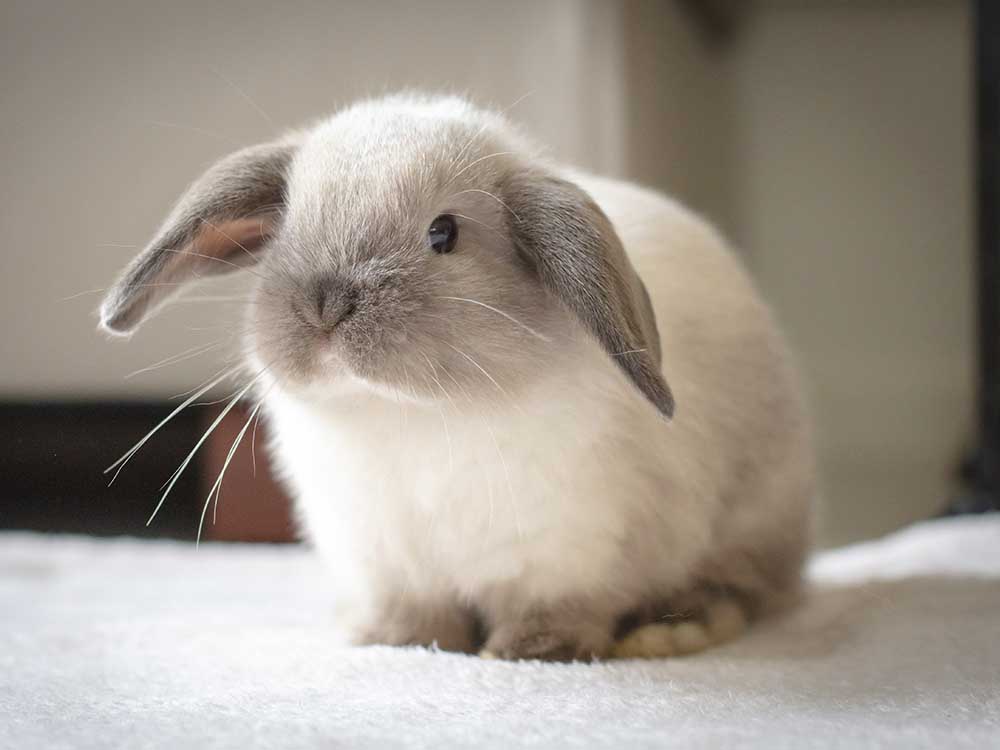
Lop-eared rabbits are very popular with house rabbit owners but sometimes their characteristic ears also need a little extra attention. Make sure your lops ears are clean on both the inside and the outside since these ears can be prone to a build-up of debris. Holland Lops do not live in the wild and never have.
They are a domesticated breed created by cross-breeding two already domesticated rabbits. They are so far removed from their wild ancestry to make survival in the wild extremely unlikely. Now lets learn a little more about how these adorable bunnies came to be and if they could survive in.
Previous post
Can lop eared bunnies live outsideNext post
Can i touch a wild baby bunny