
29
Jul
Try to assess whether the infants seem warm and healthy or cold thin and dehydrated. Wild rabbits are rather uniform in body proportions and stance.
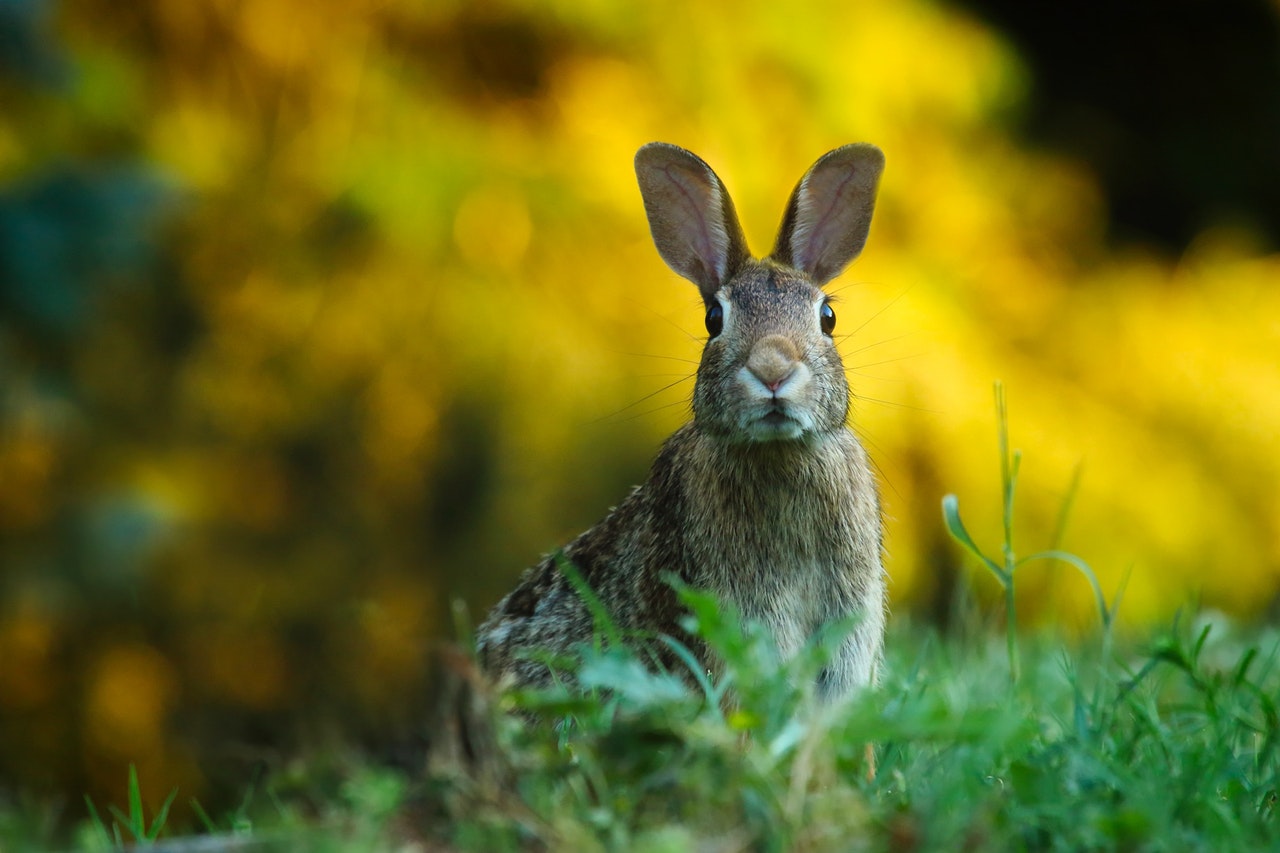
Can bunnies survive in the wild. Wild rabbits tend to survive for as little as a year due to predators whereas rabbits who are kept as pets can live up to eight years. Would a domestic rabbit survive in the wild. It is unlikely that a pet rabbit would be able to survive if they were released into the wild.
Generations of domestication have caused our pet rabbits to lose the sharp wild instincts that would give them a chance at survival. Their brains do not respond to dangers the same way that wild rabbits do. Wild rabbits are also known to survive in the wild by turning underground burrows into their homes.
Unlike a few wild rabbits that make their nests in open fields most rabbits spend their lives in underground burrows. Other wild rabbits also live on high grounds. The Rabbit Survival Instincts and Senses Have you ever wondered how these cute and adorable animals the rabbits manage to survive into the wild.
For sure predators wont give in to their cuteness so rabbits should have some instincts and senses that their survival depends upon. Saving Wild Baby Rabbits The best chance for survival of a wild baby rabbit is to leave it in its nest where the mother will return to take care of it. If you find a wild baby rabbit let him be and do not attempt to rescue him.
Mother cottontails feed their babies only once or twice a day. If the damage is irreversible the rabbit wont be able to survive in the wild and may need constant human car. Sometimes euthanasia is the kindest outcome where the rabbit has no quality of life.
Rabbit Keeps Falling Over. A newborn bunny may fall over for a variety of reasons. Muscle spasms bacterial and parasitic infections ear infections and trauma can cause a rabbit to develop head tilt.
Head tilt often gives the illusion that the rabbit. The longer answer. Your pet rabbit is probably a different breed than the wild rabbits you see around.
Its been bred from tamedomesticated rabbits for generations. It doesnt smell like them and it doesnt know how anything about living wild. If you let it go free it will.
Their ability to survive also sets them apart. A domestic rabbit will not be able to survive if they are let free outside. They are unable to fend for themselves and will shortly die either from a predator weather conditions or consuming poisonous plants that a wild rabbit would instinctively stay away from.
The diet of the two varies also. In suburbia a rabbit unable to run would likely be killed by dogs or even a large domestic cat. Its ability to forage for food and find water would be greatly diminished.
In the wild the situation would be even more dire as there are coyotes hawks owls weasels etc that would love to find a rabbit that couldnt escape. You should only keep a bunny in captivity if it has no chance of survival in the wild. If the animal can be rehabilitated it should be returned to the wild when it is strong and healthy.
However if theres no chance of the baby bunny surviving on its own you need to be aware that it will retain many of its wild tendencies even as a youngling. Be careful of these behaviors. Can domestic rabbits survive in the wild.
Domestic rabbits cannot survive in the wild. Because domestic rabbits cannot escape wild predators they are culled as pests and pet rabbits need the help of a vet to remain healthy. Can domestic rabbits survive in the wild.
Rabbits that are taken in and grow living as a pet are not equipped with wild survival instincts. When you release a pet rabbit. Very young wild baby bunnies with eyes closed and ears back rarely survive in captivity even given the most expert human care.
And so it is very important to determine whether they really need help. Try to assess whether the infants seem warm and healthy or cold thin and dehydrated. One test for dehydration is to gently pinch the loose skin at the back of the neck.
If it stays in a tent. Domestic rabbits are exactly that - theyve been adapted for centuries now to live either in houses with humans or in backyard or farmyard hutches. Over the generations theyve lost the abilities and instincts that enable their wild cousins to.
They can live up to the age of about nine years. Wild rabbits generally only survive for a couple of years due to natural or environmental factors. As they are out in the wild they are at higher risk of being in danger by predators.
There are also everyday situations that both kinds of rabbits tend to face. But that also means since domesticated rabbits are 1 domesticated and 2 not native to this continent that they cannot survive well in the wild. What happens to rabbits who end up in the wild if they have been abandoned or have gotten loose from a backyard.
They are subject to the following dangers. Theft or teasing by humans. Wild rabbits are rather uniform in body proportions and stance.
The smallest is the pygmy rabbit Brachylagus idahoensis at only 20 centimetres in length and 04 kilograms in weight while the largest rabbits grow to 50 centimetres and more than 2 kilograms. Rabbits are ground dwellers that live in environments ranging from desert to tropical forest and wetland. Feral rabbits are domesticated rabbits that have been abandoned or escaped outdoors and in the rare case have thrived and created a colony.
Feral rabbits are different than wild rabbits that belong in nature. Typically an abandoned rabbit does not have a high chance of survival due to the lack of survival skills and camouflaging coat.
Previous post
Can bunnies survive on their ownNext post
Can bunnies survive in the snow